
November 2, 2024
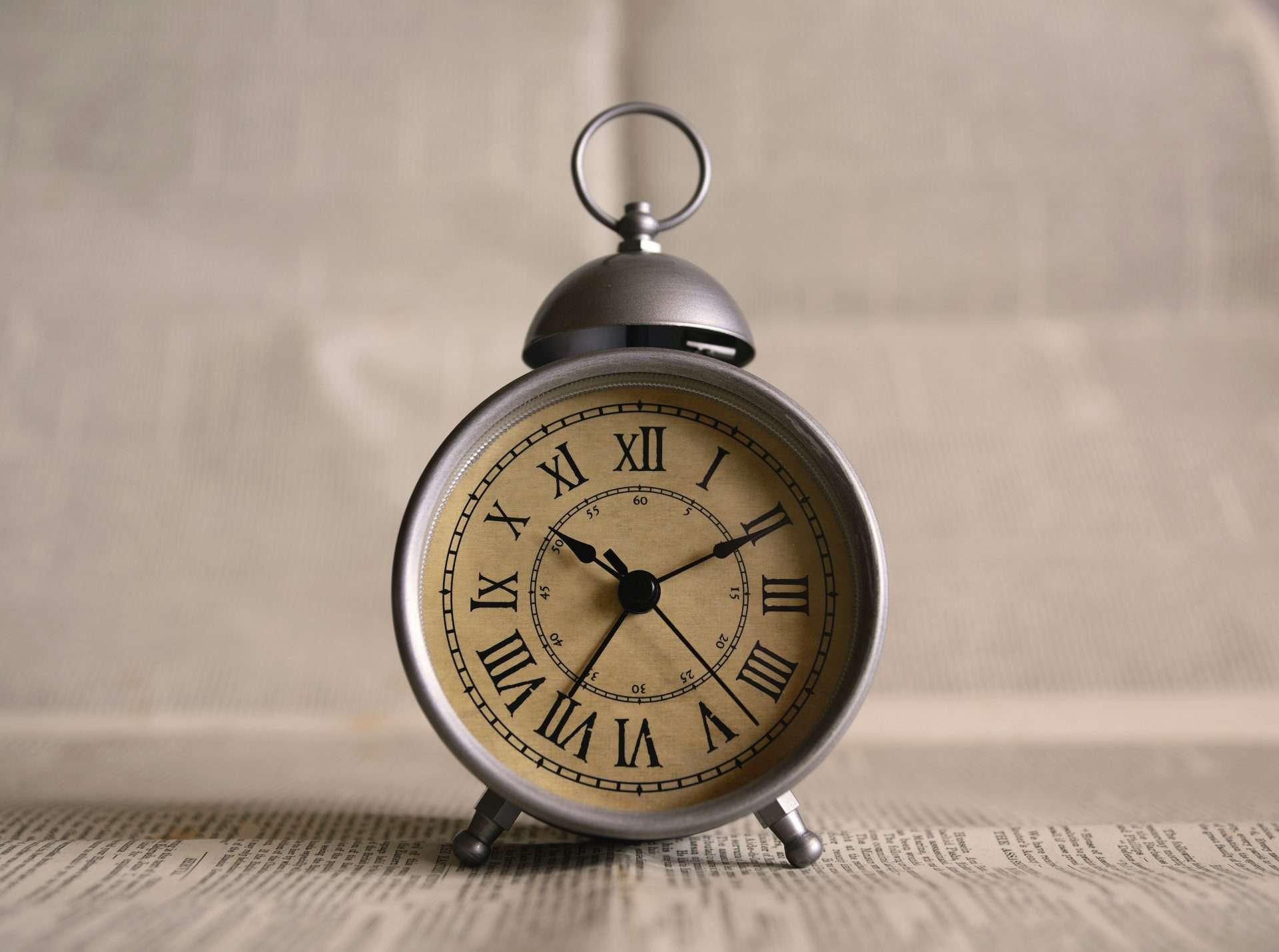
Every morning, as soon as the Sun rises, let all the bells in every church be set ringing; and if that is not sufficient? Let cannon be fired in every street, to wake the sluggards effectually …
U.S. Founding Father Benjamin Franklin in an essay “An Economical Project” published in 1784. This is the earliest known suggestion (though satirical) for saving daylight. Early Sunday morning (2:00 AM), clocks across the U.S. will “fall back,” as Daylight Saving Time ends and Standard Time begins.
Daylight Saving Time = “The practice of moving the clocks forward one hour from Standard Time during the summer months and changing them back again in the fall. The general idea is that this allows us all to use natural daylight better: moving the clocks forward one hour in the spring grants us more daylight during summer evenings, while moving clocks back one hour in the fall grants us more daylight during winter mornings.” (The Old Farmer’s Almanac)
Big Picture: Daylight Saving Time (DST) first took effect in the U.S. during WWI to conserve energy during war time. Congress later repealed the practice, though it took effect again during WWII, after which different states followed different daylight-saving policies (leading to confusion in transportation, broadcasting, etc.). Congress later approved the Uniform Time Act in 1966, standardizing when Americans across the country change the clocks. This law does allow states to not observe DST, and today Arizona and Hawaii are the only two states to not follow the practice. However, the practice of “springing forward” and “falling back” has many critics due to documented negative impacts, such as disruption of natural sleep patterns and increased car accidents.
Did You Know? While the 1966 law allows states to stay on Standard Time, it does not allow states to stay on DST permanently. So even though 19 states have passed laws to keep DST the whole year, this cannot happen unless Congress repeals the Uniform Time Act. Meanwhile, lawmakers’ efforts to make DST permanent have stalled in Congress, with the measure passing in the Senate but not the House. But further complicating the matter is that sleep experts say Standard Time is better for our health than DST is.
Read More: Daylight Saving Time 2024: When Does the Time Change? (The Old Farmer’s Almanac)
Daylight Saving Time | State Legislation (National Conference of State Legislators)
A 2005 law extended DST; learn more HERE.
Image Credit: Ales Krivec on Unsplash
by Stephanie Wagner, based in Florida


